


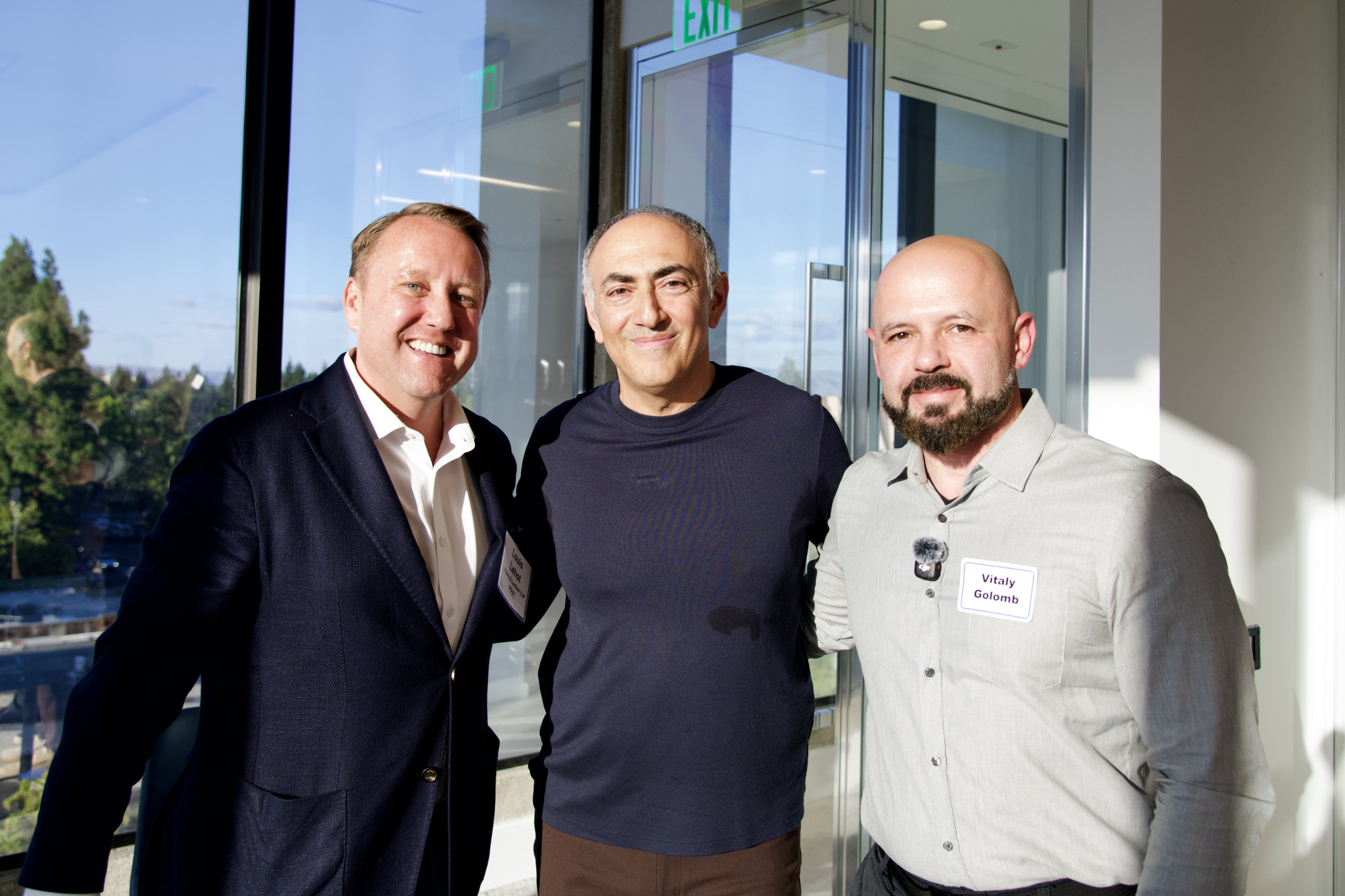
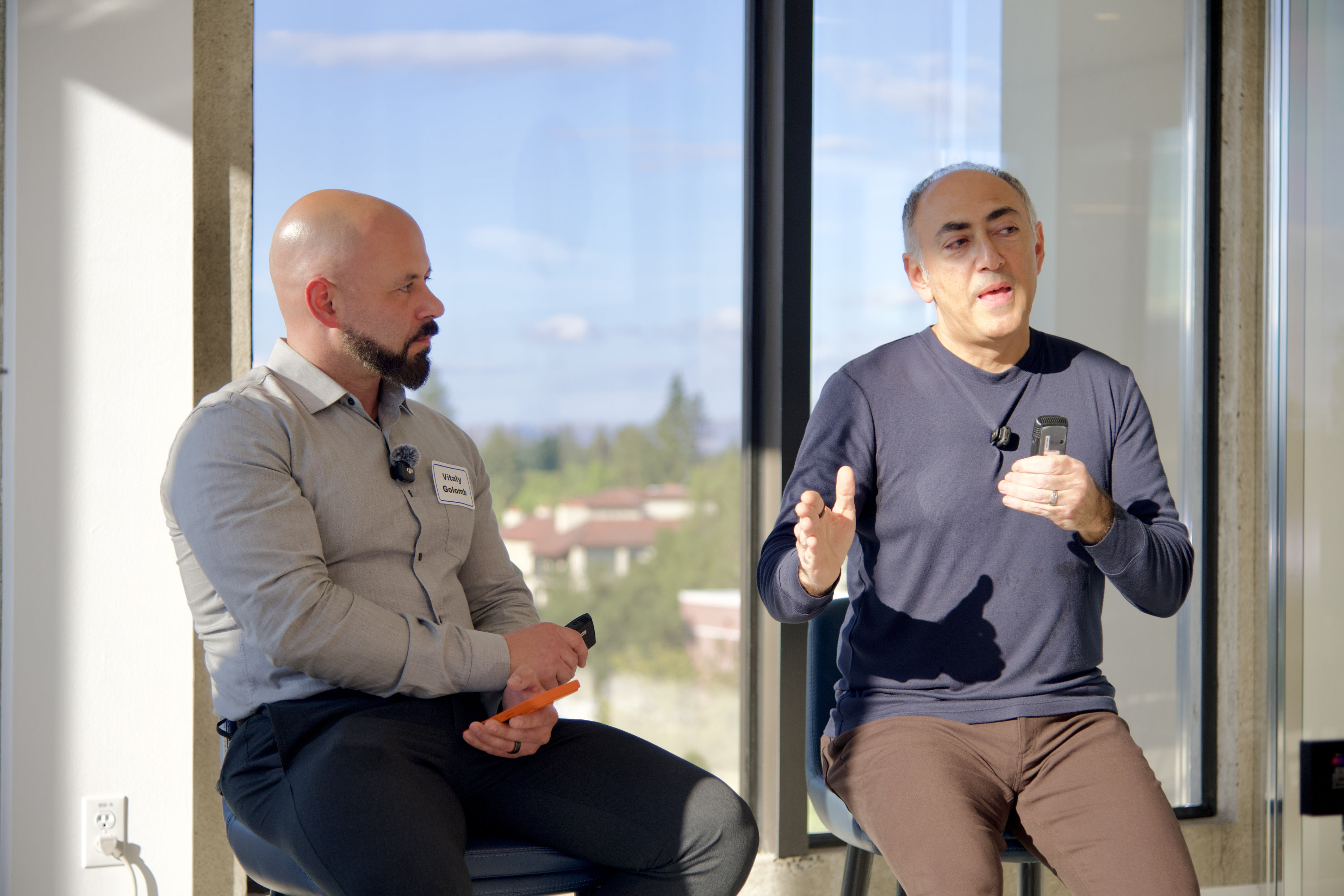
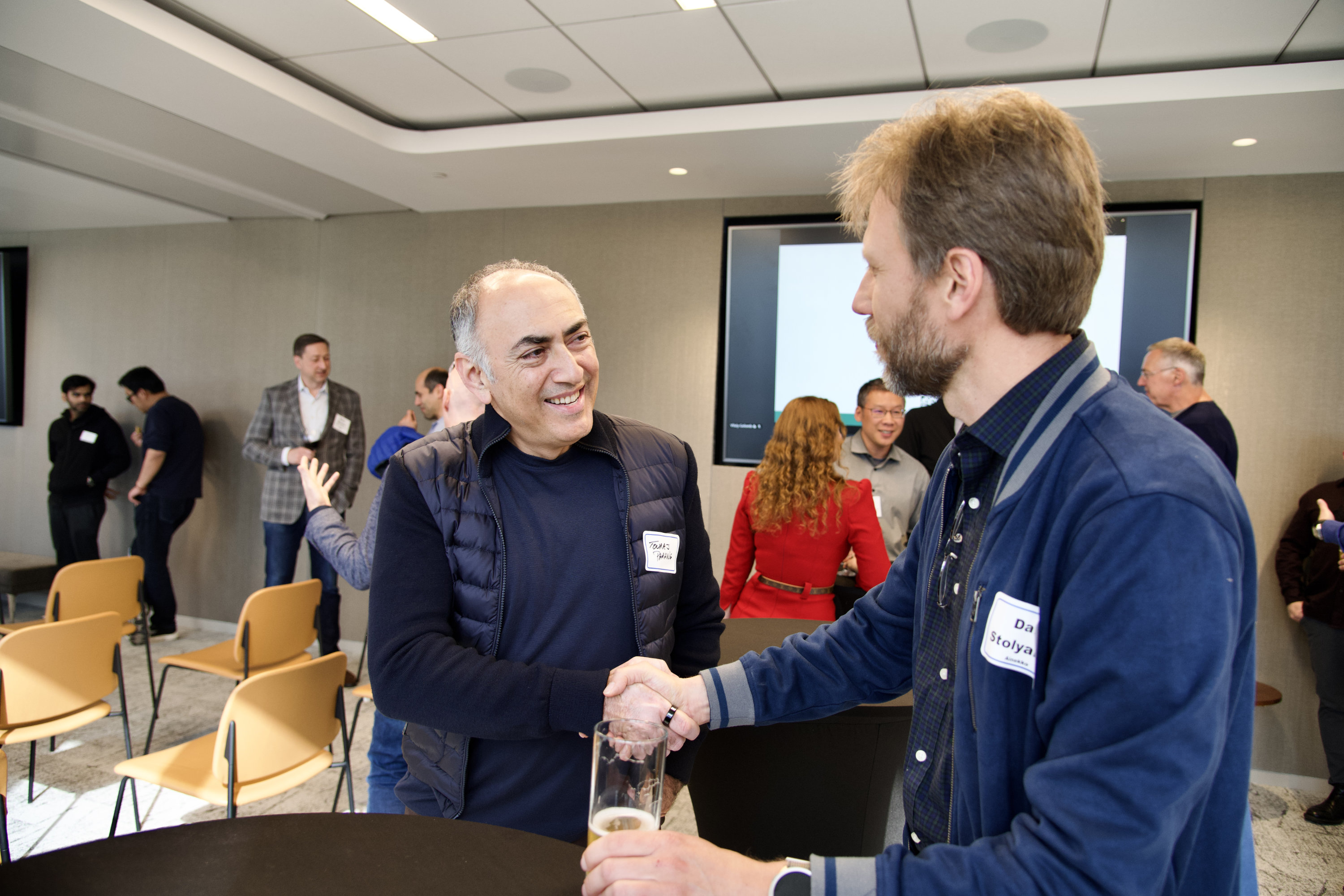
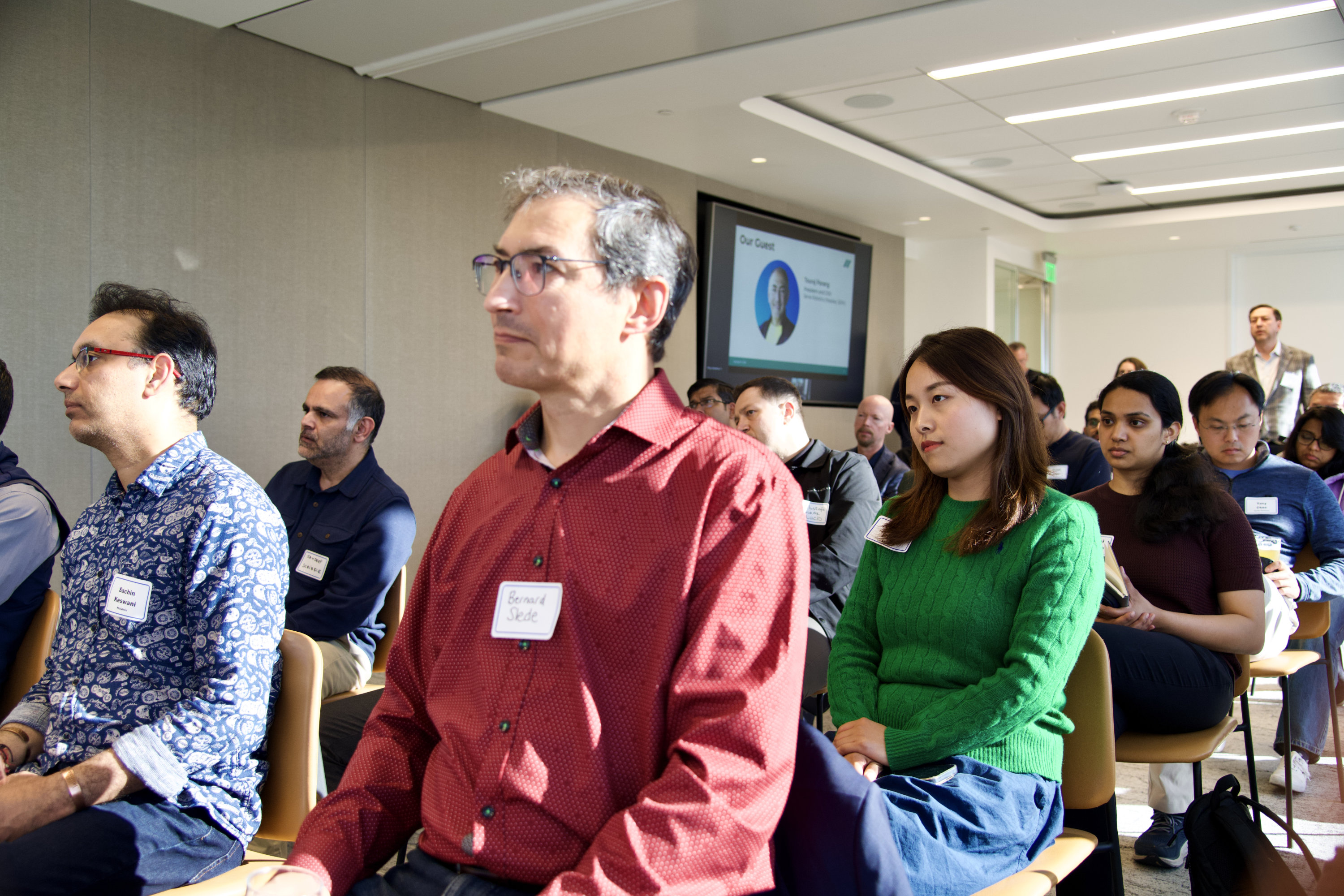
Last Thursday, we returned to Palo Alto for the third session of our invite-only event series, Hard Things, filling another room with founders, investors, and builders.
Our guest, Touraj Parang, COO of Serve Robotics and advisor to Pear VC, is one of the most seasoned operators in the physical AI space. A former lawyer turned serial founder, he's navigated two economic downturns, 300 VC rejections, and a moment when his public company's bank account held $6,000 — all on the way to listing on NASDAQ and scaling a fleet of sidewalk delivery robots across Los Angeles. He came with a decade of hard-earned pattern recognition from the trenches of robotics commercialization and gave the room a framework that cuts through the hype:
Build for a specific problem where you have genuine industry insight, not just where capital is flowing. Treat the field as your lab where truth is found on the sidewalk. And never underestimate the operational layer: deploying robots at scale across geographies, climates, and communities is where most physical AI companies actually break.
The real moat in physical AI is the operator who survives long enough to accumulate data, iterate in public, and scale through the edge cases that beat everyone else. The founders mostly likely to win will be the ones who started with a specific, insight-driven wedge, structured their capital stack around strategic partners (not just venture dollars), and built teams so mission-aligned they stayed even when the paycheck was in doubt.
A special thank you to Louis Lehot, Tiaan De Nysschen, and Sahar Mor at Foley Lardner for sponsoring and hosting the event.


